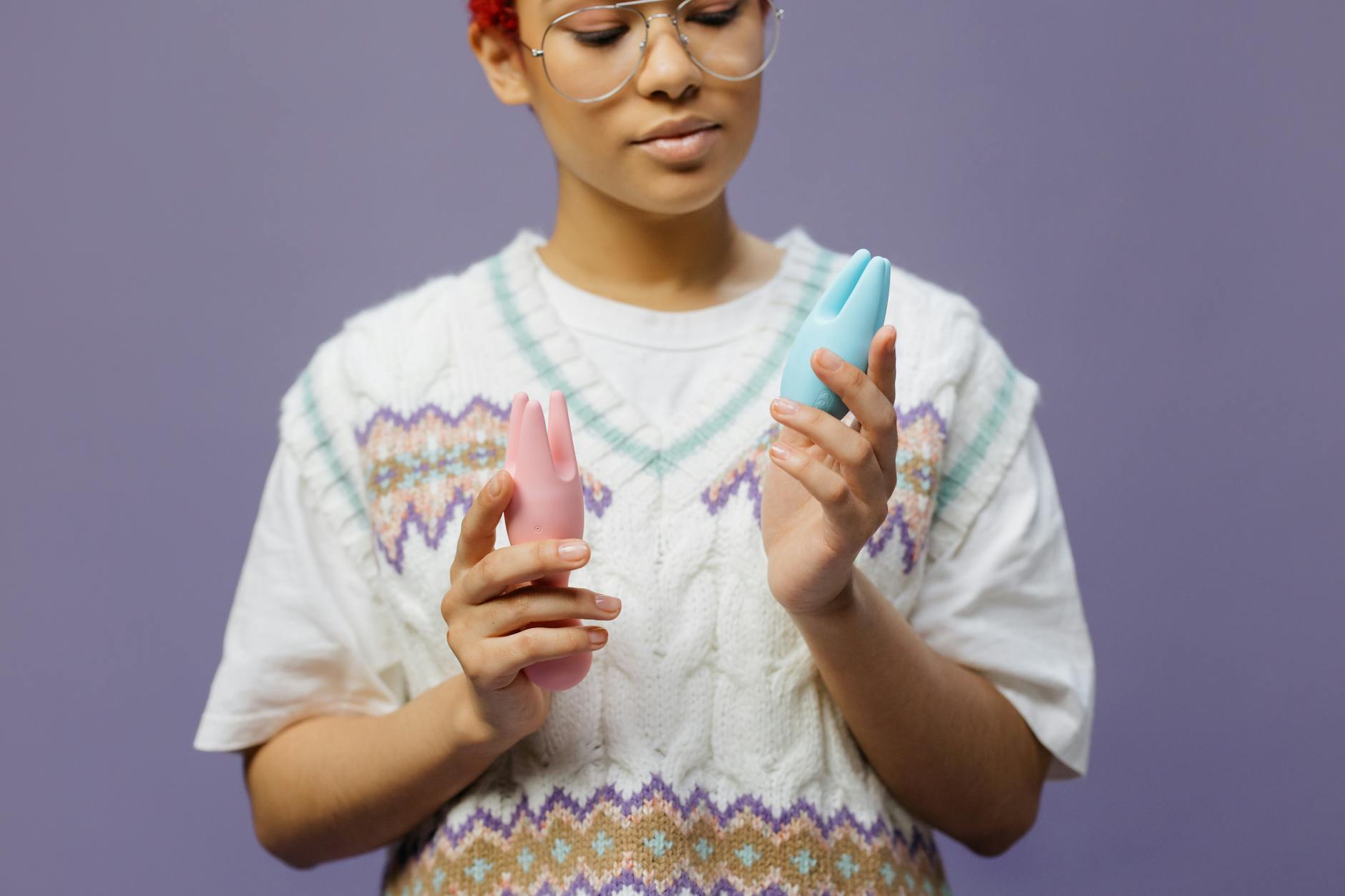
How to Use a Lemon Vibrator When You Have a New Partner and Want to Introduce Toys
Here's the thing: bringing up toys early in a relationship feels riskier than it actually is. Most people haven't been asked directly what they think about vibrators, so they're operating on secondhand gossip and assumptions they've never tested. You're about to change that.
The challenge isn't that your new partner will hate the idea. It's that you don't know yet. And that uncertainty makes it easy to stay silent, which usually means staying unfulfilled. So let's map out the conversation, the timing, and exactly how to use a lemon vibrator together once you've both said yes.
The timing question: when is too early?
There's no universal answer, but I can tell you the pattern I see work. The best time to introduce toys is after physical chemistry is confirmed but before patterns are locked in. Roughly 4-8 weeks in, not 4 hours and not 4 months.
Why? Early introductions (week one) feel performative, like you're auditioning rather than inviting. By month four, you've usually already established a rhythm that feels normal, and change feels threatening. The middle ground is safer because you both know attraction is real, but you're still experimenting.
If you're past that window, don't panic. The conversation works at any point. It just takes slightly more directness and slightly less assumption that it'll feel natural.
Starting the conversation without killing the mood
People expect this to be smooth, flirty, and spontaneous. It usually isn't. That's fine.
The best openings I've heard sound like this: "I've been thinking about something and I want to talk about it when we're not in bed." Then later, when you're clothed and calm, you say something honest.
"I love what we have sexually. I'm also curious about toys. I've been thinking about trying a clitoral vibrator like the Lem. I'm interested in how you'd feel about that."
Notice what's happening there. You're naming the thing specifically (not "stuff"), you're saying you like what exists already (removing the implication that something is wrong), and you're asking their actual opinion instead of performing enthusiasm they have to match.
If they hesitate, don't fill the silence. Let them sit with it. Hesitation usually means they're surprised, not opposed. Most people need a beat to process.
If they say "I don't know," ask directly: "Are you uncomfortable with the idea, or just surprised?" Different concern, different answer.
If they say "No," ask why. "It's not for us" is not the same as "I'm worried it means you're not satisfied." The first one is a boundary. The second one is something you can actually address.
What to do if they say yes but seem unsure
You've gotten a technical yes, but they're not excited. This is normal and fixable.
Invite them into the reason you want this. Not the clinical reason (better orgasms, more sensation), but the real one. "I get self-conscious about how long I take to climax. I think using something together would help me relax instead of performing." Or: "I want to experience pleasure differently with you. I want to learn your body's rhythm alongside what gets me off."
Make them a participant in discovery, not a spectator at a sex ed class. "I don't know how to use it yet either. Want to figure it out together?" is miles better than "I'll show you."
Let them ask questions. Weird ones are actually good ones because they mean they're thinking about it concretely instead of staying abstract and anxious.
Choosing the right lemon vibrator for both of you
If you're starting here, you want something that works for solo play, partnered play, and everything in between. The Lem is designed exactly for that. It's a clitoral vibrator with suction, which means it doesn't require the person with the vulva to stay still and tense during partnered sex. You can move, breathe, and be present without losing the stimulation.
When you're getting it together (which is its own confidence builder), choose based on realistic use. Where will you actually use it? On your body or their hands or during penetration? What patterns feel good to you right now? Start there.
Take the time to explore it alone first, even if that feels counterintuitive. You want to know what you actually like before you're performing that knowledge for someone else. Five minutes with a lemon vibrator by yourself will tell you more than an hour of trying to figure it out under observation.
The first time using it together
Stop expecting it to feel natural. It won't. It'll feel a little awkward and technical at first, and that's completely normal.
Here's how to minimize the awkward and maximize the useful: start with one person using it solo while the other watches. I know that sounds vulnerable. It is. But it also removes the performance pressure of being touched simultaneously. You get to show them exactly what feels good without worrying about their arm angle or rhythm.
Then swap. This isn't foreplay. This is education. You're learning each other's body's language.
After that, you can integrate it into partnered sex. During oral sex, they can use the vibrator on you while using their mouth or hands elsewhere. During penetration, you or they can hold it in place. During manual stimulation, it replaces one hand with more consistent intensity.
The key: don't try to make it seamless on attempt one. It won't be. Clumsy integration is fine. You're building comfort, not perfect technique.
Managing the mental load
Here's what I see people miss. Introducing toys doesn't automatically solve insecurity. Sometimes it surfaces it. Your partner might worry that the vibrator means they're not enough. Or you might worry that wanting a toy means something's wrong with what you have.
Neither is true, but feelings don't follow logic. Name it directly.
"Using a vibrator doesn't replace you. It's like how I can both love your touch and also want to use my hands sometimes." Or: "I'm not looking for something different from you. I'm looking for something in addition to what we have."
If they've been hesitant about toys in the past, this is worth revisiting. "I know you were unsure about this at first. Has anything changed about how you feel?" Some partners warm up once they see it's not weird or threatening. Some need longer. Both are okay.
When to know if this is working
You'll know when you stop narrating the process and start living it. When someone reaches for a lemon vibrator because they want to, not because they're honoring your request. When pleasure feels collaborative instead of negotiated.
If that never happens and they're just tolerating it to keep you happy, that's useful information too. You're learning what kind of partner this is, and whether you're compatible long-term. That's not failure. That's valuable.
Using a clitoral vibrator together is a conversation starter, not a conversation ender. You'll learn things about each other's desires, comfort zones, and willingness to explore. Those things matter way more than whether the toy itself works.
Frequently asked questions
How do I know if my new partner will be weird about toys?
You don't until you ask. That's the point of the conversation. Most people aren't weird about toys so much as they're surprised by the directness. Ask first, assume least.
Should I use a vibrator during sex if my partner seems uncomfortable?
No. If they've said yes but seem genuinely upset, pause and check in. "I want this to feel good for both of us, and I'm sensing some tension. What's going on?" Discomfort that's never addressed metastasizes into resentment.
What if they want to use it but I'm not ready?
That's fine. The conversation goes both ways. "I'm interested in exploring this with you eventually, but I want to go slower" is honest and clear. Give a timeline if you can. "Give me a few months to feel more comfortable" is better than open-ended hesitation.
How many times should we use a lemon vibrator before it feels normal?
About five to seven times. That's typically when novelty wears off and it starts feeling like just another part of your toolkit. Until then, you're both probably hyperaware of it. That's temporary.
Is it weird to use a vibrator in every sexual experience we have?
Not weird. Common, actually. If it's becoming the default and you both want variety sometimes, that's a conversation. "I love using this, and I also want to remember what penetration without it feels like." Mix it up. Novelty is mutual.
What if we use a vibrator once and never again?
Perfectly normal. You tried something, learned it wasn't your groove, and moved on. That's not failure. That's information.
The bigger picture
Introducing a toy to a new relationship is ultimately about one thing: can you ask for what you want and hear the answer without falling apart? If you can do that with a vibrator, you can do it with anything. Boundaries, wants, fears, change.
The lemon vibrator is just the practice ground.
If this feels like the right move but you're still nervous, that's okay. Nervousness usually means it matters. Start the conversation anyway. Most partners will surprise you. And if they don't, you'll have learned something crucial about compatibility way earlier than you would have otherwise.
That's worth a little awkwardness.
Have questions about introducing toys or want guidance on your specific situation? We're here to help. Contact us anytime.
People also ask
Should I ask my partner about toys before we have sex for the first time?
I'd wait until after you've had sex at least once. Brings it up too early and it feels like a job interview. You want physical chemistry confirmed first so the conversation feels optional, not prerequisite.
How do I use a clitoral vibrator during partnered sex?
During penetration, hold it against your clitoris yourself or let your partner angle it while they're inside you. During oral, they can use it on you simultaneously. During manual stimulation, it adds extra sensation without replacing their touch. Experiment to find what works for your bodies.
What if my partner wants to use the vibrator on me but it doesn't feel right when they're controlling it?
Take it back. You direct. "I know where this feels good for me and the angle I need." Your partner holds you or adds other touches, but you keep the vibrator placement. This is totally normal and fine.
Is it normal to prefer the vibrator to partnered sex?
It's normal to sometimes prefer it, yes. Doesn't mean something is wrong with your relationship. You're comparing two different types of stimulation. A lemon vibrator is consistent and precise. A partner is present and responsive. They're not the same experience. Both are good.
How do I bring up toys if my partner has rejected the idea before?
Acknowledge that they said no. "I know you weren't interested in toys before. I'm still thinking about it and I want to understand why. Can we talk about it again?" People change their minds. Sometimes they just needed time or were responding to how it was approached. Ask what might be different now.
What if introducing toys ruins the spontaneity of our sex life?
Spotting it up front actually increases spontaneity because you're not overthinking. You know you can use a vibrator if you want to. You know your partner is on board. That removes the mental load. Then sex can be easier, quicker, more present. Way more spontaneous than the version where you're always wondering if now is the time to bring it up.