Here's the thing about penetration discomfort
If penetration hurts, your body is not broken. It's sending a signal. The problem is most people interpret that signal as "sex is off the table," when what it's actually saying is "this particular form of stimulation needs adjusting." Those are two completely different conversations.
Let me be direct: clitoral pleasure exists independently of penetration. You can have extraordinary orgasms, deep connection with a partner, and a rich sexual life without ever having penetration feel comfortable. And if you've spent years thinking penetration was the main event, that shift can feel liberating.
Why penetration sometimes feels like pressure or pain
Three main culprits show up most often in my practice.
Pelvic floor tension. Your pelvic floor muscles tighten as a protective response to anxiety, stress, or past pain. Once they clench, they stay clenched. Penetration then feels like pressing against a locked door. This is the most common scenario I see, and it's also the most reversible.
Hormonal shifts. Estrogen drops with age, birth control changes, stress, or medication. Thinner vaginal tissue means less elasticity and less natural lubrication. Penetration can feel sharp or raw rather than comfortable. This is physical and real, not psychosomatic.
Micro-tears or inflammation. Sex that's too fast, too dry, or too rough creates tiny injuries that make the next experience painful. Your brain remembers this. Anxiety about the pain makes muscles tense, which creates more micro-tears. You're in a loop.
Each of these has a different solution. The worst thing you can do is keep trying penetration while one of these is active. You're just training your nervous system to associate sex with pain.
When to get professional help first
If penetration suddenly became painful, or if the pain is sharp rather than pressure, see a gynecologist before you experiment with toys. Same if you have a history of endometriosis, pelvic inflammatory disease, or trauma. A medical provider can rule out infection, structural issues, or medication side effects in one conversation.
If the pain is more of a tension or resistance, and you've ruled out medical stuff, a pelvic floor physical therapist is your person. They work with this constantly. Most people see significant improvement in 4-6 sessions.
Why clitoral stimulation changes everything
Here's what most people don't realize: your clitoris has 8,000 nerve endings packed into a tiny area. Penetration is stimulating maybe 10% of those. The rest are waiting.
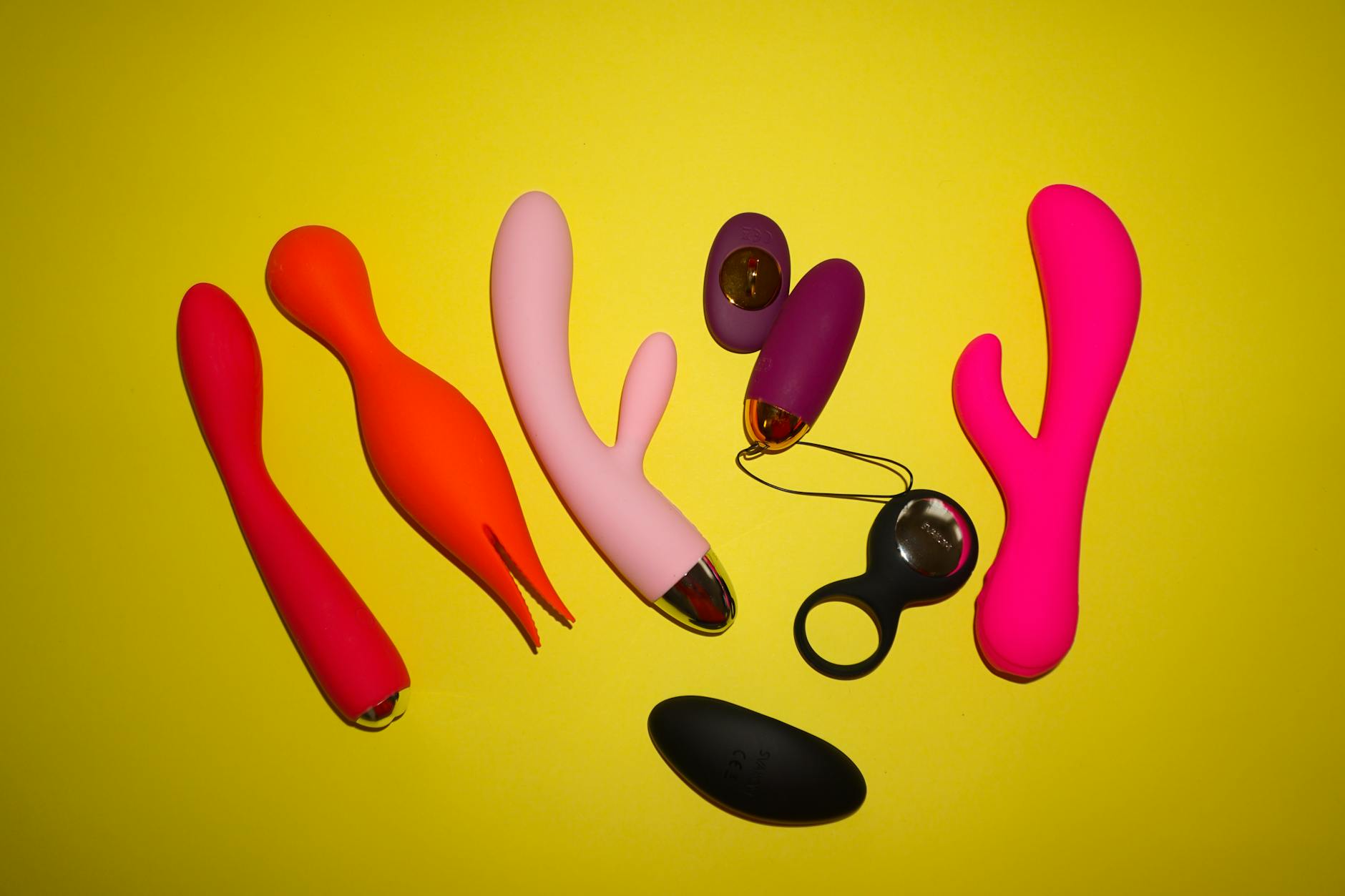
When penetration is uncomfortable, shifting focus to direct clitoral stimulation via a lemon vibrator or other clitoral toy does three things at once.
First, it removes the pressure. You're not trying to make something work that feels bad. Second, it activates pleasure pathways that don't require any internal sensation. Your nervous system gets to associate sex with good feelings again instead of bracing for discomfort. Third, over time, this can actually help reset pelvic floor tension because you're not in a cycle of fear and clenching.
Solo pleasure is where this work happens most cleanly. You have no performance pressure, no one else's timeline to match, and complete control over speed and pressure.
How to start with a lemon clitoral vibrator
If you're new to vibrators, start on the lowest setting. The Lem vibrator from Lemon Toy Store uses gentle suction rather than buzzing, which means the stimulation feels concentrated without being jarring. Suction patterns activate nerves differently than direct vibration, and many people find it feels more sophisticated and less one-note.
Warm up first. Spend 10-15 minutes on your own, no vibrator. Let arousal build naturally. This matters. Your clitoris needs blood flow to become sensitive. Jumping straight to a toy while you're cold and distracted wastes the experience.
When you do use the vibrator, stay on lower patterns until you know what you like. There's no rush. Let yourself explore. Some people love the feeling of suction right at the tip of the clitoris. Others prefer it slightly off to the side, or against the broader clitoral body. Spend time figuring out your own geography. This is not frivolous. This is data collection for your own pleasure.
Repositioning with a partner
If you're with someone, reframe what's happening. Instead of "we can't have penetration," say "let's explore what feels amazing." Because here's the thing: partnered sex with clitoral focus is not lesser. It's different, and often more satisfying.
Some positions that work beautifully when penetration is off the table: lying side by side while your partner uses their hand or a lemon adult toy on you, or using a vibrator together while they focus on whatever feels good for them. You're in sync but not locked together. There's actually more room for connection because you're both getting individualized pleasure.
Many couples discover that adding a clitoral vibrator into partnered sex unlocks orgasms that weren't happening before. The person with the vibrator gets direct, consistent stimulation. Their partner gets to watch, participate, or focus on their own sensation. It's collaborative instead of dependent.
The timeline for shifting sensation
If your discomfort is tension-based, expect the rewiring to take 2-4 weeks of regular solo exploration. Your nervous system is learning that sexual touch doesn't mean pain. This learning needs repetition.
If it's hormonal, lube helps immediately, but rebuilding tissue thickness takes longer. Consistent low-dose topical estrogen (if you and your doctor decide that's right for you) can help tissue elasticity improve over 6-8 weeks.
During this transition, be kind to yourself. Some days will feel amazing. Some days you'll feel nothing. Hormones, stress, sleep, and hydration all affect sensation. Track what works and build on it.
What not to do
Don't push through pain thinking it will get better. It won't. Your body will just learn to anticipate the pain, making everything tighter. Don't assume you need to have penetration to be sexually satisfied. You don't. Don't compare your experience to anyone else's or to what you think sex "should" look like. Pleasure is individual.
And don't skip lubrication out of stubbornness or shame. A good water-based lube changes everything, especially if you're using a lemon sexual toy or any silicone toy. The glide matters. You're not broken if you need it.
The bigger picture
Honestly, penetration discomfort often becomes the thing that teaches people what they actually like. Before this, they were having sex the way they thought they were supposed to. After, they're having sex the way feels good. That's a major upgrade.
Your pleasure is not contingent on any one type of touch. Solo exploration with a lemon vibrator is how you figure out what your body genuinely wants. A partner gets to learn alongside you. Sex becomes less of a performance and more of a conversation.
That's not a limitation. That's freedom.
FAQ: Penetration discomfort and clitoral vibrators
Can I use a vibrator if I have vaginismus?
Vaginismus is involuntary pelvic floor clenching, often triggered by penetration or anticipation of it. A vibrator on the clitoris, external only, is actually one of the gentlest ways to start rewiring your nervous system. You're getting pleasure without triggering the clench reflex. Pelvic floor PT combined with external vibrator play is a powerful combination. Always check with your PT before introducing any toy.
Does penetration pain ever go away completely?
Depends on the cause. If it's tension, retraining usually resolves it. If it's hormonal, consistent treatment (topical estrogen, vaginal moisturizer, or systemic HRT) can often make penetration comfortable again. If it's structural or chronic, comfort with penetration might not return, but pleasure can absolutely shift to forms that feel great. The goal is not to force penetration. The goal is to have sex that feels good.
Is it normal to prefer clitoral stimulation and never want penetration?
Completely normal. Many people have more nerve density in the clitoris and less sensitivity internally. You're not asexual. You're not broken. You just know what works for your body. Build your sex life around that.
Can using a lemon vibrator make pelvic floor tension worse?
Not if you're using it on the external clitoris only and you're already aroused. In fact, the opposite. Gentle external clitoral stimulation from a toy like the Lem vibrator actually helps pelvic floor muscles relax over time because you're training your body to associate pleasure with relaxation instead of tension. If you're having vaginismus and want to use internal vibration, work with a pelvic floor PT first.
What if I'm on antidepressants and penetration still feels uncomfortable?
Antidepressants can decrease lubrication and sensation. That's real. Clitoral vibrators like lemon adult toys often work better than penetration in this scenario because they provide direct, consistent stimulation that compensates for decreased sensitivity. Pair a vibrator with lube, and you're working with your body instead of against it. If medication-related changes are new, mention it to your prescriber. Sometimes adjusting dose or timing helps.
How do I talk to my partner about shifting away from penetration?
Direct and factual: "Penetration doesn't feel good right now. Here's what does feel good." Then show them. Use a vibrator solo a few times so you know your own answer. Then invite them to explore that with you. Framing it as "here's what we're adding" instead of "here's what we're losing" changes the emotional tone completely. Most partners are relieved to know what actually works.
Your next step
If penetration is uncomfortable, start solo. Spend a few weeks exploring external clitoral pleasure with or without a vibrator from Lemon Toy Store. Notice what feels good, what doesn't, where sensation is strongest. That information is gold. Then, if you have a partner, bring those discoveries to the conversation. Sex becomes collaborative instead of obligatory.
Penetration discomfort is not your ceiling. It's often the doorway to discovering what you actually like.
Have questions about using lemon clitoral vibrators or navigating discomfort during sex? Reach out to the team at Lemon Toy Store. We're here to help.
References and further reading:
- American College of Obstetricians and Gynecologists. Genitourinary Syndrome of Menopause
- Pelvic Health Initiative. Pelvic Floor Dysfunction Research and Resources
- International Society for the Study of Women's Sexual Health. Dyspareunia Guidelines