Here's what trauma does to pleasure
Sexual trauma doesn't just affect the moment it happens. It can rewire how your body responds to touch, your own or anyone else's. Your nervous system gets stuck in protection mode. Touch that should feel good might feel threatening instead. Pleasure becomes complicated. Your brain doesn't trust your body anymore, and your body doesn't trust your brain.
Rebuild that trust takes time and patience. But it's entirely possible. Many people find that gentle, self-directed exploration using tools like lemon vibrators becomes a crucial part of that rebuilding.
Why a lemon vibrator can help
A lemon vibrator offers something other stimulation methods can't: total control. You set the speed. You choose where, when, and for how long. There's no pressure to perform or respond on anyone else's timeline. That autonomy is the whole point. It's not about reaching orgasm. It's about reconnecting with sensation in a way that feels safe.
The suction technology in lemon clitoral vibrators is particularly useful here. Unlike traditional vibration, suction creates a gentler, more diffuse sensation that many trauma survivors find less triggering than direct friction. You can start at the lowest setting and work up only when you're ready. Some days you might use it for five minutes. Other days you might not use it at all. That's the framework.
Starting from absolute zero
If you haven't touched yourself since trauma, or if touch has felt numb or frightening, begin without the lem vibrator entirely. Spend a few sessions just noticing your body in a completely non-goal way. Run your hand over your arm. Feel the texture of fabric against your skin. Notice temperature. This isn't about arousal. It's about reestablishing a relationship with sensation itself.
When you're ready to introduce the vibrator, start clothed. Hold it over your jeans or underwear. Let it run for a few seconds at the lowest setting. The point is to get used to the sensation and sound without any expectation. If it feels weird or uncomfortable, pause. Do this for three to five days before moving to direct contact.
Pacing your nervous system
Trauma survivors often have nervous systems in a constant state of readiness. A sudden vibration, even a gentle one, can trigger a startle response. Set yourself up for success by creating as much predictability as possible. Use the vibrator at the same time of day if you can. In a space where you feel safe and won't be interrupted. Let your body know what's coming.
Start with the lowest setting. Lem vibrators have multiple patterns and speeds. Stick to setting 1 or 2 for your first sessions. The urge to speed up or try something more intense will come. Resist it. There's no finish line. Your only goal is to feel safe and present.
If at any point you feel panicky or triggered, stop immediately. There's no such thing as "pushing through" productively here. Your body is sending you information. Listen to it.
What "pleasure" actually means in early healing
Don't wait for an orgasm to feel like it's working. Early pleasure might just be five minutes of sensation that doesn't hurt. That's a massive win. It might be noticing that you can move the vibrator yourself without freezing. It might be a moment where you felt curious instead of afraid. These aren't milestones that sound impressive in a story. They're milestones that actually matter.
Some people find that pleasure returns slowly and unevenly. Good days and setback days. That's completely normal. Healing isn't linear, and your body will move through it at its own pace.
Building a solo practice that feels sustainable
If you're working with a therapist, mention that you're exploring this. A good therapist won't have opinions about whether you "should" use a vibrator. But they can help you notice patterns. Are there particular settings or times of day that feel safer? Are there times when your nervous system is already dysregulated and adding new stimulation would be counterproductive?
Many people find that a brief solo practice two or three times a week is more sustainable than daily use. You're training your nervous system that pleasure is available, not that it's obligatory. When pleasure becomes another should, it stops being healing.
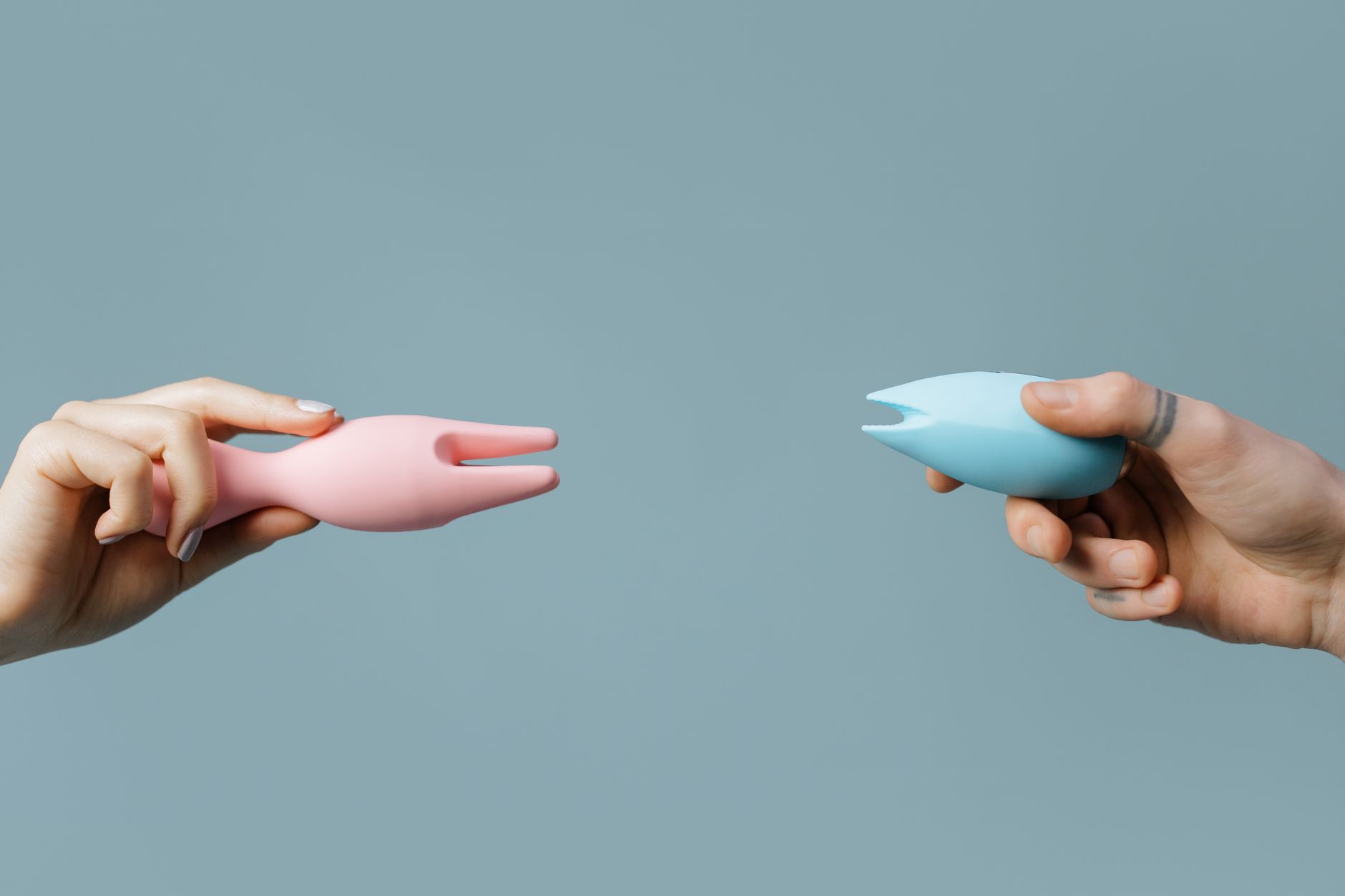
Photo by cottonbro studio on Pexels
Introducing a partner (if and when you're ready)
If you have a partner and eventually want to involve them, that's a separate conversation and timeline. You don't owe them access to your healing process. But if you decide to share it, start by using the vibrator solo in front of them without them touching you. Their job is to witness, not to participate. Gradually, if you want, they might hold it while you guide their hand. Or you might never want that and that's equally fine.
The key is that you stay in charge of tempo and intensity. If a partner tries to take control or speed things up, that's a red flag. Full stop.
When intrusive thoughts show up
Most people using a vibrator after trauma will have moments where their mind goes somewhere unwanted. A memory surfaces. A sensation triggers an old fear. This happens. It's not a failure. When it does, pause the vibrator. Ground yourself. Feel your feet on the floor. Name five things you can see. Your nervous system needs to know that you're safe in this moment, not back in that moment.
Then decide: do you want to continue, or do you want to stop for today? Both are right answers. You're the expert on your own recovery.
Redefining what pleasure looks like now
After sexual trauma, pleasure might look different than it did before. That's not a loss. It's a redefinition. You might find that you prefer certain speeds or patterns you wouldn't have guessed. You might discover that your capacity for sensation has shifted. You might realize you enjoy solo pleasure but discover you're not ready for partnered sex yet. All of these are data points, not problems.
Your pleasure is not about performing recovery for anyone else. It's about gently reconnecting with your own body, at your own pace, with no audience and no expectations.
The role of self-compassion here
Healing isn't efficient. There will be days when using a lemon clitoral vibrator feels productive and grounding. There will be days when even thinking about it feels overwhelming. Both are part of the process. The goal isn't to force yourself toward some idea of sexual "normalcy." The goal is to slowly rebuild trust with your own body and your own pleasure.
If you're someone who experienced sexual trauma, you already know how to work harder than anyone should have to. You don't need to white-knuckle your way through healing. You need to meet yourself with the same gentleness you'd offer a friend going through this. That's where the real work happens.
When to seek additional support
If intrusive thoughts are constant, if you're having trouble grounding yourself, or if exploring solo pleasure consistently triggers flashbacks, a trauma-informed therapist is worth the investment. They're trained to help your nervous system recalibrate in ways a vibrator can't. Look for someone who specializes in sexual trauma or PTSD. That expertise matters.
A good therapist will never shame you for using a vibrator. They'll help you use it as part of a broader healing framework. And they'll help you know when you're moving at a healthy pace and when you need to slow down.
Rebuilding pleasure after trauma is possible. It takes time and patience and a willingness to listen to your body when it needs to move slowly. A lemon vibrator can be part of that journey. But the real tool is your own compassion for yourself. Start there.
Frequently asked questions
Can I use a lemon vibrator if I'm still triggered by any touch?
Yes, but start very slowly. Begin with the vibrator over clothing for several sessions. Your nervous system needs to learn that this touch is predictable and safe. If you find you're regularly triggered, working with a trauma-informed therapist first might help you build more nervous system capacity before adding vibration into the mix.
What if I don't feel anything when I use a lemon clitoral vibrator?
Numbness is a common trauma response. Your nervous system might be numbing sensation as a protective mechanism. This sometimes resolves with time and consistent gentle exposure. If numbness persists across other areas of your life, mention it to your therapist. In the meantime, try noticing other sensations. The texture of fabric. Temperature changes. Building awareness in non-sexual contexts first can help.
Is it normal to feel guilty about using a vibrator after trauma?
Completely normal. Trauma can create a lot of internalized shame around pleasure, even though none of it was your fault. Guilt often means your nervous system is still in protection mode. A therapist can help you separate that guilt from reality. Using a vibrator for healing is an act of self-care, not something to feel ashamed of.
How do I know if I'm healing too fast or too slow?
There's no standardized timeline for this. Healing is individual. If you're noticing that solo exploration feels slightly less scary each week, you're moving at the right pace. If you're pushing yourself to do more than feels safe, slow down. There's no prize for speed. If months have passed and you haven't noticed any shifts at all, that might be a sign to bring in professional support.
Can a partner help me use a lemon vibrator after trauma?
Only if you want them to, and only if you feel completely safe. You maintain full control. That might mean you're holding the vibrator and they're just present. Or you're using it solo while they're in the room. Or you're not ready for that yet and that's fine. Any pressure from a partner to move faster than feels comfortable is a red flag.
What if memories come up while using a vibrator?
Pause and ground yourself. Feel your feet on the floor. Name your surroundings. Remind your nervous system that you're safe now. Then decide whether you want to continue or stop. There's no right answer. What matters is that you're honoring what your body needs in that moment. Over time, these interruptions often become less frequent as your nervous system learns to feel safer.
Your recovery is yours alone. Take the time you need.